
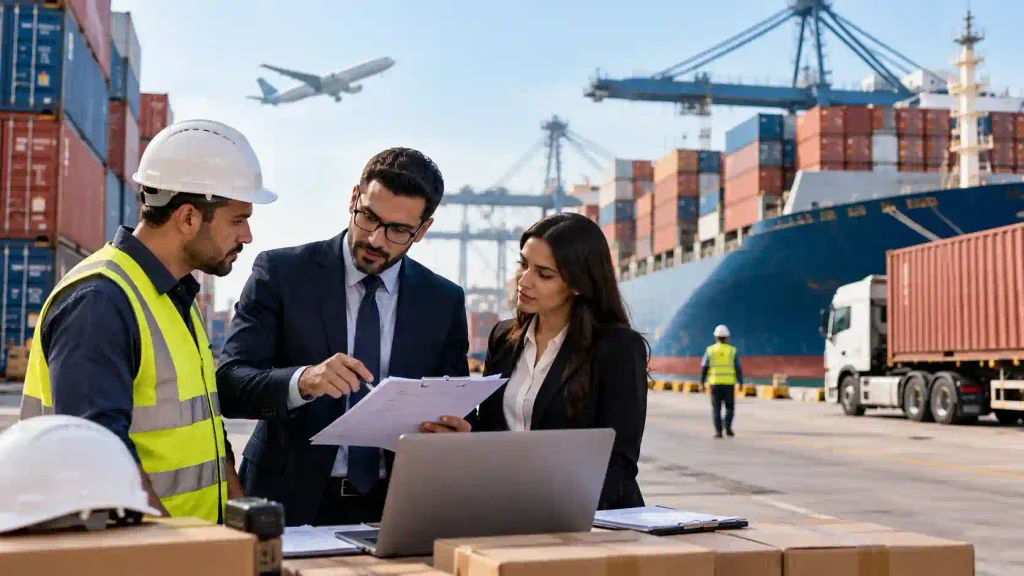
What Is an Importer of Record (IOR) and Why Does It Matter?
Importing products into another country involves more than arranging transportation. Businesses must understand customs rules, prepare the right documents, pay applicable duties, and meet relevant import requirements. One important part of this process is the Importer of Record (IOR). This role helps establish who is responsible for ensuring that imported goods meet the applicable customs requirements. For businesses entering a new international market, understanding the IOR role can help prevent confusion and make import planning easier. What Is an Importer of Record (IOR)? An Importer of Record (IOR) is the person or legal entity responsible for meeting applicable import requirements for a shipment. These responsibilities may include providing accurate import information, ensuring that goods are correctly classified and valued, arranging required documentation, and paying applicable duties and taxes. The exact responsibilities depend on the destination country’s laws, the type of goods, and the import arrangement. The IOR is not necessarily the shipping company or the customs broker. A logistics provider may transport the goods, while a customs broker may handle customs entry procedures on behalf of the importer. Understanding these different roles is important before sending products across borders. What Are the Main Responsibilities of an Importer of Record? The IOR’s responsibilities can vary by country and shipment, but several areas commonly require attention. 1. Customs Documentation Import shipments may require commercial invoices, packing lists, transport documents, permits, and other supporting paperwork. The required documents depend on the goods and destination. Accurate and consistent information helps customs authorities review a shipment and determine whether additional requirements apply. 2. Product Classification and Valuation Goods must be classified under the applicable customs tariff system. Their declared value and country of origin can also affect duties, taxes, and other import requirements. Incorrect information may result in reassessments, delays, or penalties. Businesses should verify product details before shipping. 3. Duties and Taxes Depending on the destination and shipment, importers may need to pay customs duties, import taxes, and other applicable charges. Understanding these costs before shipping helps businesses calculate landed costs, set prices, and plan their budgets more accurately. 4. Import Regulations and Compliance Some products require special permits, registrations, certificates, or additional checks before they can enter a country. Food, cosmetics, electronics, and medical-related products may have requirements beyond standard customs documentation. Businesses should confirm the rules that apply to their specific products and destination. 5. Coordination With Customs and Logistics Partners Importing often involves suppliers, freight forwarders, customs brokers, warehouses, and delivery providers. Clear communication between these parties helps ensure that documents are available, responsibilities are understood, and shipments can move to the next stage once the necessary requirements are met. Who May Need an Importer of Record? The IOR arrangement is particularly relevant for businesses importing products into a country where they do not have an established importing operation. Examples include: Not every business needs an external IOR. Companies with an established local operation may be able to act as the importer themselves, provided they meet the relevant legal and regulatory requirements. What Is the Difference Between an IOR and a Customs Broker? An Importer of Record and a customs broker perform different roles. The IOR is the party responsible for applicable import obligations. A customs broker assists with customs procedures, such as preparing and submitting entry documentation, according to the services agreed upon. A broker’s involvement does not automatically transfer all the importer’s legal responsibilities to the broker. Before shipping, businesses should confirm who will act as the importer, who will handle customs filings, and which party is responsible for each compliance requirement. What Should Businesses Check Before Importing Goods? Before arranging an international shipment, review these important points: These checks can help businesses identify potential problems before their goods leave the supplier. How Can Modist Global Help With International Import Requirements? Entering a new market can involve several connected tasks, from business setup and product compliance to customs documentation and logistics coordination. Modist Global helps businesses explore the support relevant to their international expansion plans. Depending on the destination and requirements, this may include guidance on business setup, product registration, Importer of Record arrangements, and customs-related coordination. The right approach depends on the country, product category, and proposed importing structure. Businesses should confirm the applicable requirements and responsibilities before arranging a shipment. Final Thoughts An Importer of Record plays an important role in the international import process by helping establish responsibility for applicable customs and regulatory obligations. Understanding the IOR role, preparing accurate documentation, checking duties and product requirements, and coordinating with the right partners can help businesses plan international shipments more effectively. If your business is preparing to enter a new country, understanding these responsibilities is a useful first step. Modist Global can help you explore the business setup, compliance, and trade support relevant to your intended market.
What Is an Importer of Record (IOR) and Why Does It Matter? Read More »